


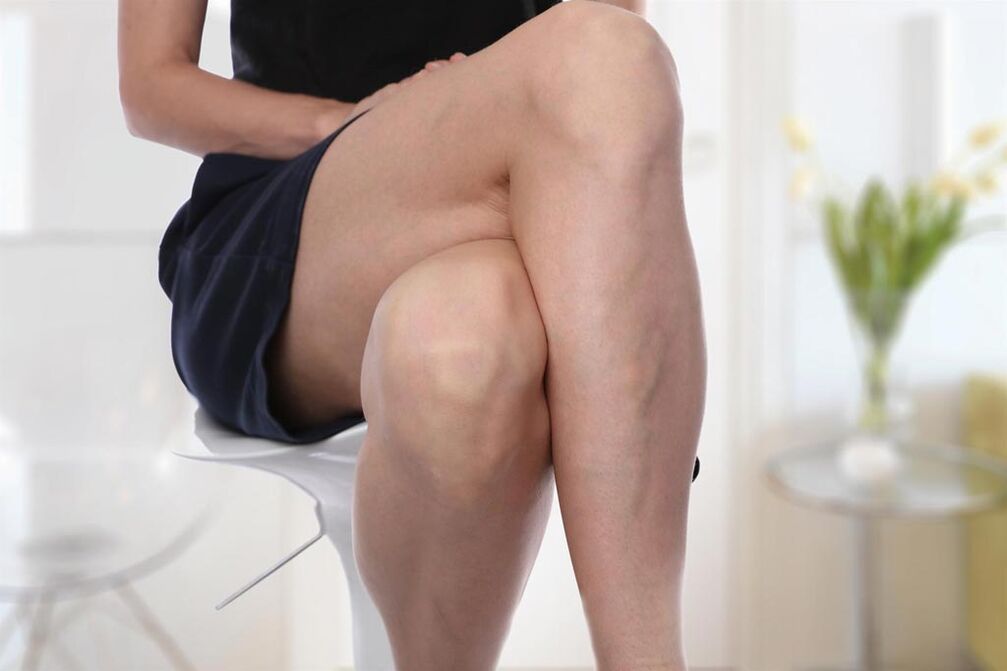
Varicose veins are a disease that progresses quickly and requires complex therapy.Every second person risks finding a disease in himself and may not notice it, since the disease manifests itself gradually and imperceptibly.The first signs can be lethargy and exhaustion, which later leads to inevitable consequences.Let's look at the reasons why women develop varicose veins and how to deal with varicose veins.
Varicose veins in women - what we know
If you sit most of the time or, on the contrary, the load on your legs is too great, then the probability of developing varicose veins increases.In addition, in some cases, varicose veins are affected by a genetic predisposition.That is, if one of your blood relatives has been affected by a similar disease, your chance of its manifestation increases.
For a clearer understanding of the essence of this pathology, remember how blood circulates in the human body.The organs inside the body are supplied with arterial blood, and the blood returns through the veins.Negative factors affect this process in a negative way, so the process is disturbed, which leads to stagnation, expansion and swelling of venous vessels.These factors, along with unpleasant sensations, discomfort and other symptoms, serve as the meaning of the term varicose veins.
Blood circulates through the veins of the legs due to muscle contractions, until the valves in the vessels block the reverse flow of fluid.As a result, excessive pressure leads to:
- Elongation and expansion of veins, as well as loss of tone;
- Shrinkage of vascular valves and loss of their natural functioning;
- Complications of organ and tissue delivery.
Varicose veins in women - stages of development of the disease
Since the infestation is difficult to detect, especially in the initial stages, it pays to be attentive to the details.The formation of a vascular network should warn you, which, for example, will help to detect varicose veins on the abdomen in time.
Pay attention to other factors as well:
- Pain and discomfort in the lower limbs;
- The presence of a network, which indicates a deterioration of venous blood flow;
- Bruising and swelling of the veins;
- Cessation of cellular activity in soft tissues.
Due to the large number of common symptoms with other pathologies, varicose veins are quite problematic to diagnose.This is especially true for varicose veins of internal organs in women.
How to protect ourselves from this disease and what to do when the disease is already advanced?
Varicose veins - causes of the disease
Many studies show that women are more prone to this disease, and varicose veins can occur due to various circumstances, and heredity is not the only cause of varicose veins.
Vascular pathology with the same name also leads to:
- Pregnancy and childbirth;
- Hormonal suppression of ovulation;
- Menopause and other hormonal changes;
- Excessive physical activity;
- Sedentary lifestyle;
- Painful sensations in the pelvis;
- Leg injuries;
- Overweight;
- Excessive love of tanning and going to the sauna;
- Incorrect functioning of the digestive tract;
- Improperly selected shoes;
- Walking for a long time in heels;
- Wearing tight, form-fitting underwear;
- Prolonged stress;
- Difficult blood clotting.

Quite often, the habit of sitting cross-legged provokes the appearance of venous stasis.Surprisingly, the development of the pathology is also influenced by human growth.More precedents have been established for the appearance of varicose veins in tall people.With congenital weakness of the venous walls, the deformation of the vessels is not always clearly expressed.
Varicose veins - prevention
In the later stages of the disease, the vascular pattern is already striking.This condition is caused by many signals, to which a person most often does not pay the necessary attention, for example: swelling of the veins and a feeling of heaviness in the lower limbs, cobwebs, night cramps.To prevent further expansion of the veins, you should immediately make an appointment with a phlebologist.
If there are prerequisites for varicose veins, the patient must prepare an individual course of prevention: taking drugs or local drugs.In parallel, it is necessary to ensure the organization of an active and healthy lifestyle of the patient.Without it, your efforts will be in vain.
During the preventive period, doctors advise following some rules:
- Don't sit cross-legged;
- If you spend a long time sitting, do a short warm-up every hour;
- Replace tight high-heeled shoes with something more comfortable;
- Stop smoking.Nicotine worsens the condition of blood vessels.
Varicose veins in women - treatment
Using conservative methods, you can slow down the progression of the disease, but this will not restore the affected vessels.This includes wearing compression clothing, taking medications, and leading a healthy, active lifestyle.Taking medication is appropriate only in the initial stages of varicose veins.Invasive treatment - sclerotherapy, laser removal of venous network or other surgical interventions - should be resorted to when you want to remove changed vessels.
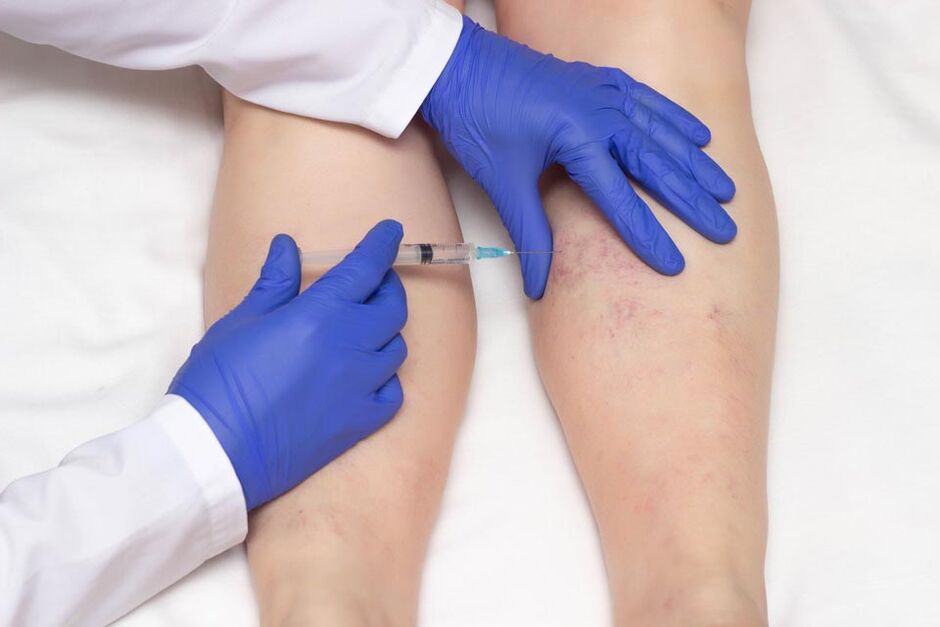
Sclerotherapy is an effective method based on the introduction of a special drug into the lumen of the vessel, which causes adhesion of its walls and subsequent resorption.
Surgical intervention will be necessary only if the problem is radically resolved.Fortunately, modern equipment will allow you to perform the above procedures quickly, efficiently and most importantly painlessly.